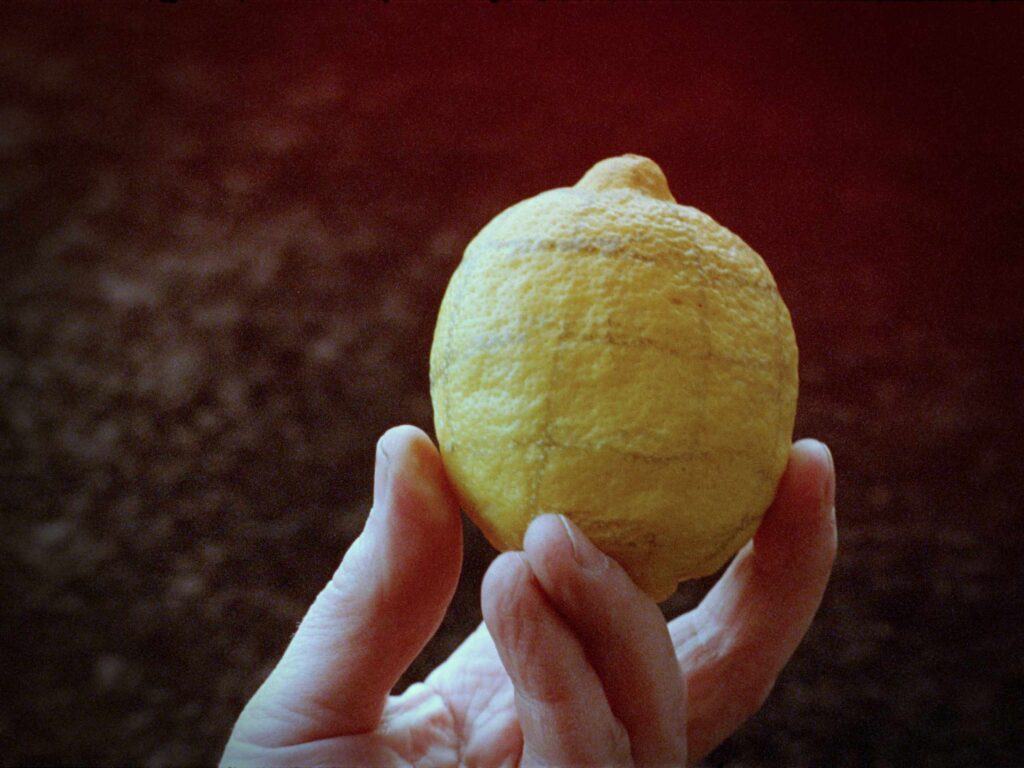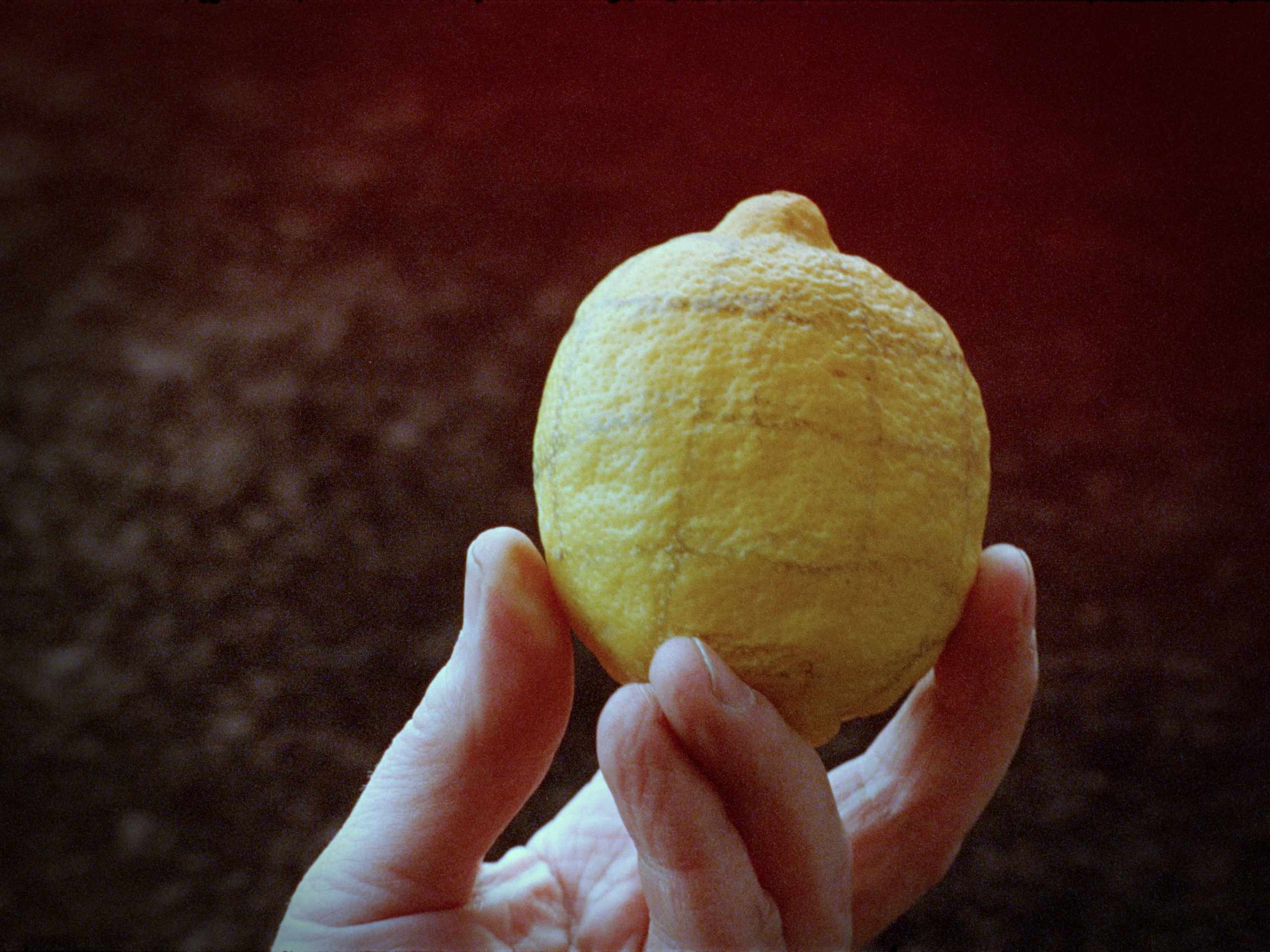

French scientist Maupertuis arrived in Tornio in 1736 with his expedition to measure the shape of the Earth. The question of whether the Earth was shaped like a lemon or a mandarin divided the scientific community of the time. Even the Enlightenment philosopher Voltaire considered joining the expedition, but there was no room for him.
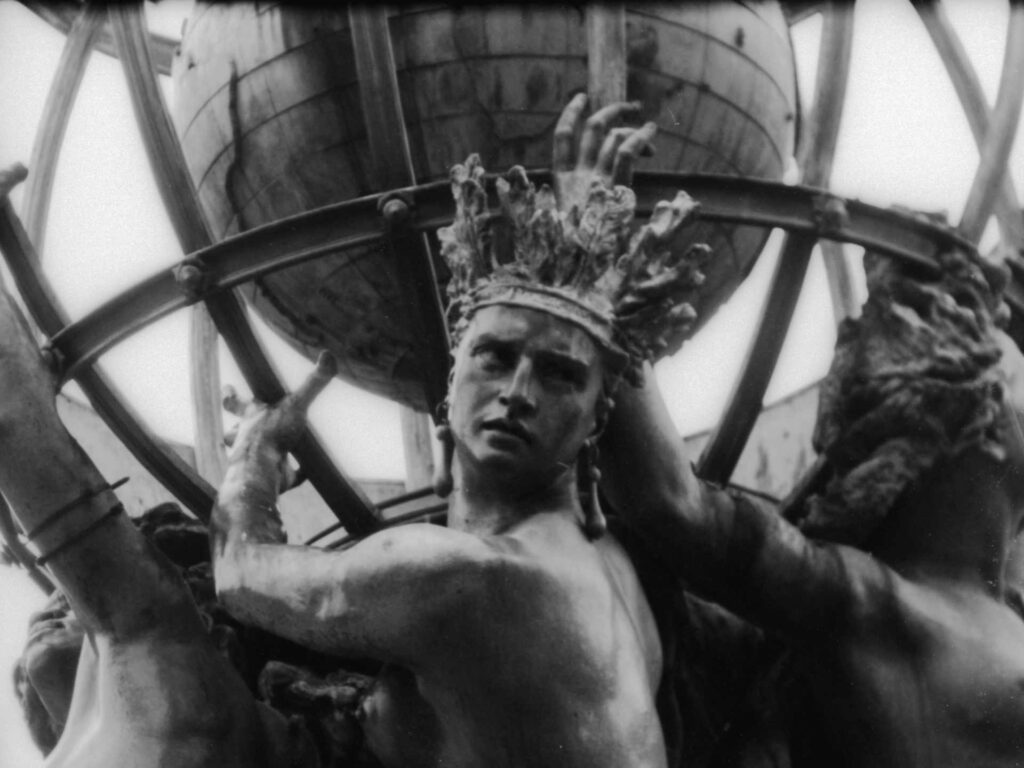
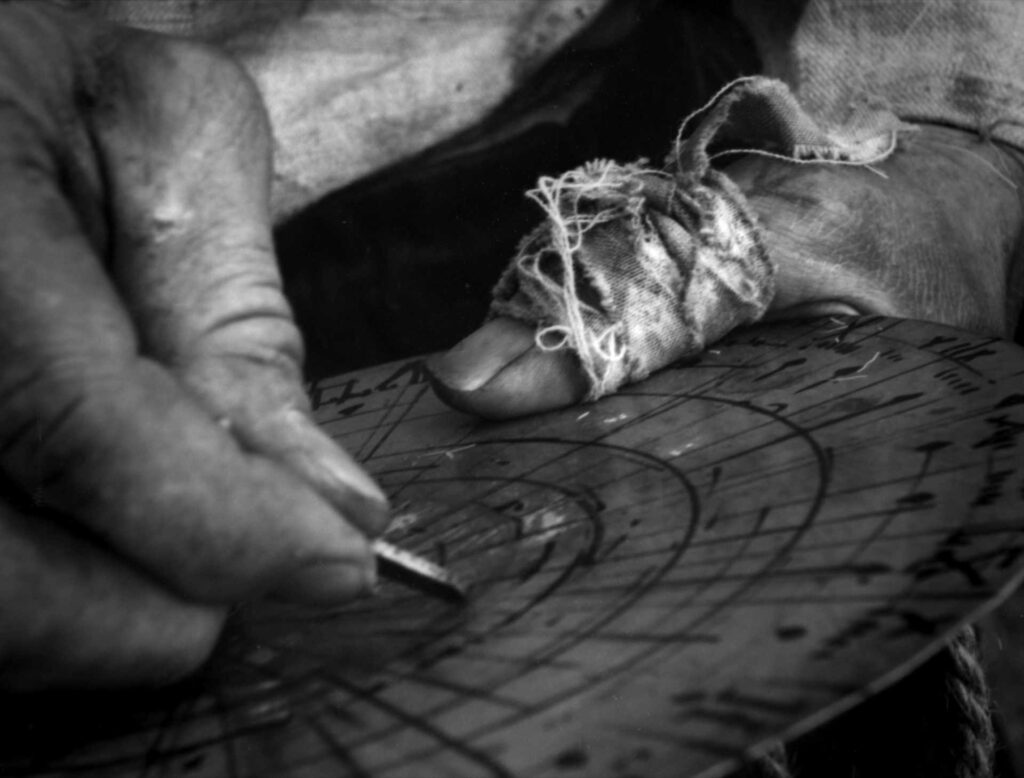
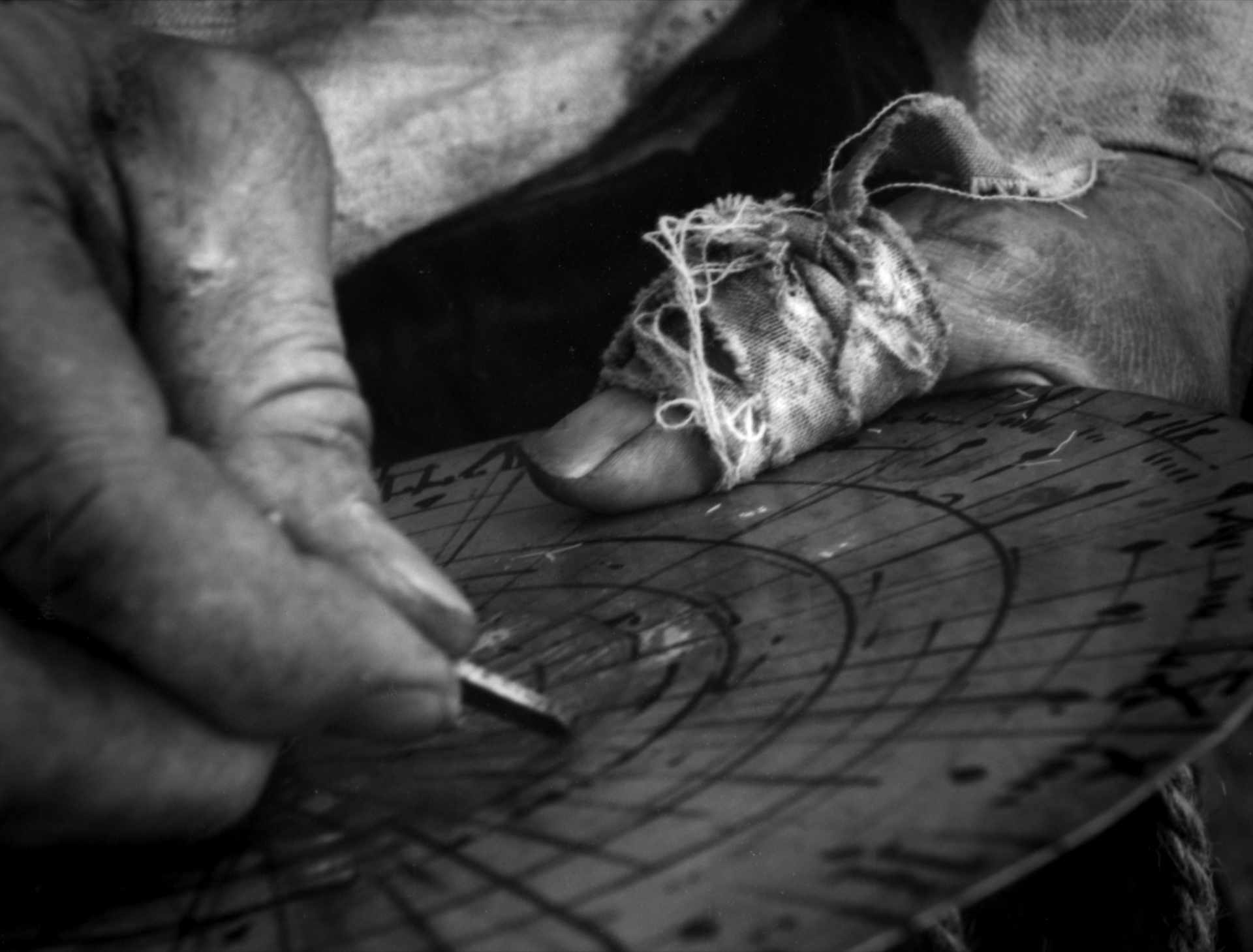
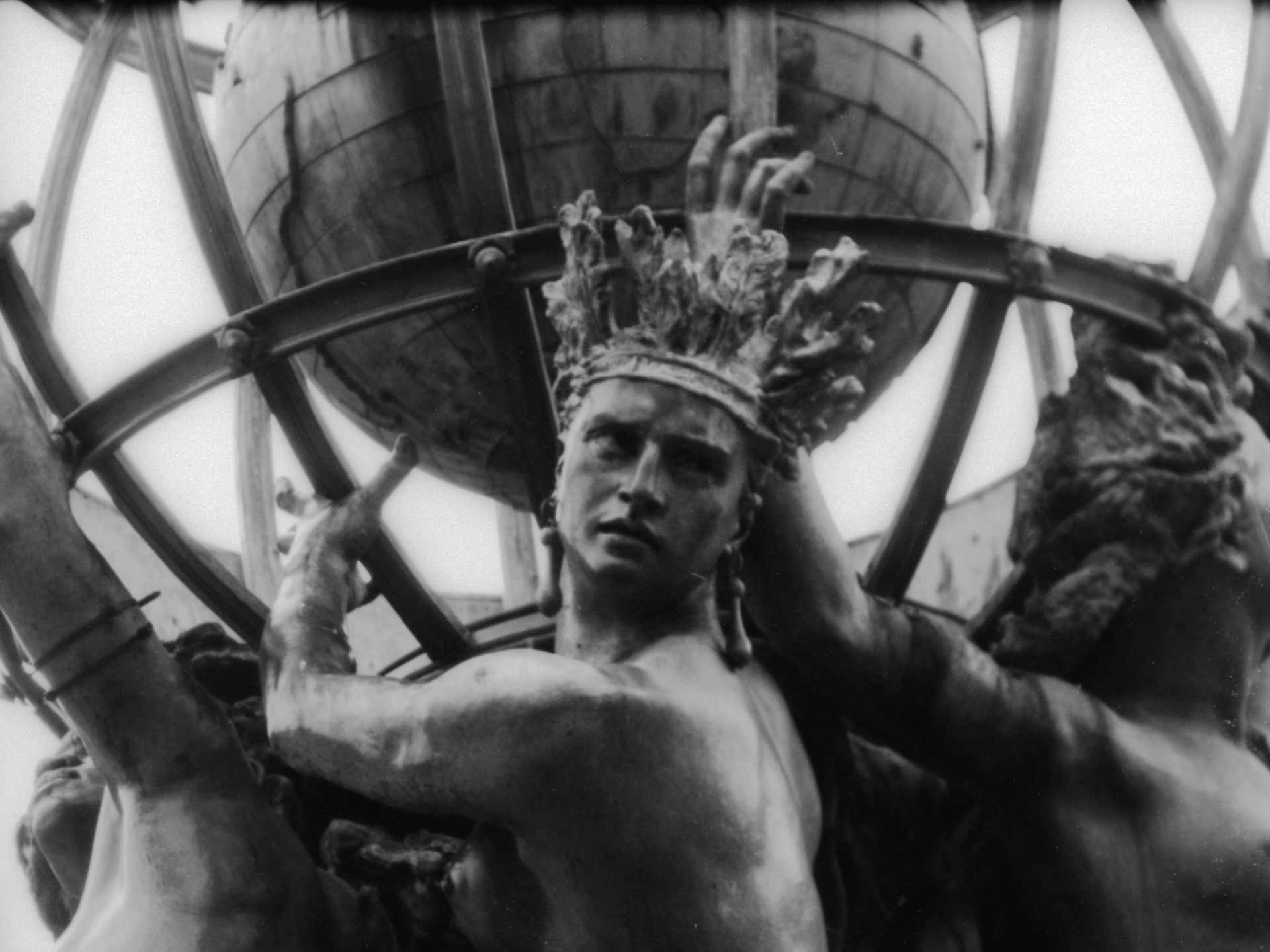
The experimental film and installation, premiering at the Turku Art Museum, combines archival material from Maupertuis’s expedition to Lapland with excerpts from Voltaire’s Micromégas, a story in which he vented his bitterness. Voltaire published the work as a satire of Maupertuis’s scientific expedition, while at the same time creating one of the earliest works of science fiction. Its protagonist is a sarcastic giant from outer space, who may emerge in Viita’s abstract and playful work as a symbol of the anti-science populism that continues to surface today.
The production of the work was supported by AVEK. The artist’s work was supported by the Finnish Cultural Foundation. The exhibition is supported by the Finnish Heritage Agency.
Milja Viita (b. 1974) is a visual artist and filmmaker whose works have been exhibited at contemporary art museums and galleries, while her films have been screened at numerous international film festivals, including Ann Arbor, Internationale Kurzfilmtage Oberhausen, Archivio Aperto, Festival du Nouveau Cinéma and Hot Docs. In 2022, she was selected to create the sixth contemporary art project commissioned by the Lönnström Art Museum, resulting in the archival collage film SKÖNÄRIT (2025). Viita’s short film Eläinsilta U-3033 received the Risto Jarva Award at the Tampere Film Festival in 2019. She graduated with a Master of Fine Arts degree from the Academy of Fine Arts Helsinki in 2005, where she has since taught filmmaking. Viita’s second feature film, Ihmisiä sunnuntaina, was released theatrically in Finland in 2026, making it a rarity in the history of Finnish experimental cinema. Viita’s works are held in the collections of, among others, the Museum of Contemporary Art Kiasma, Serlachius Museums, and the Jenny and Antti Wihuri Foundation.