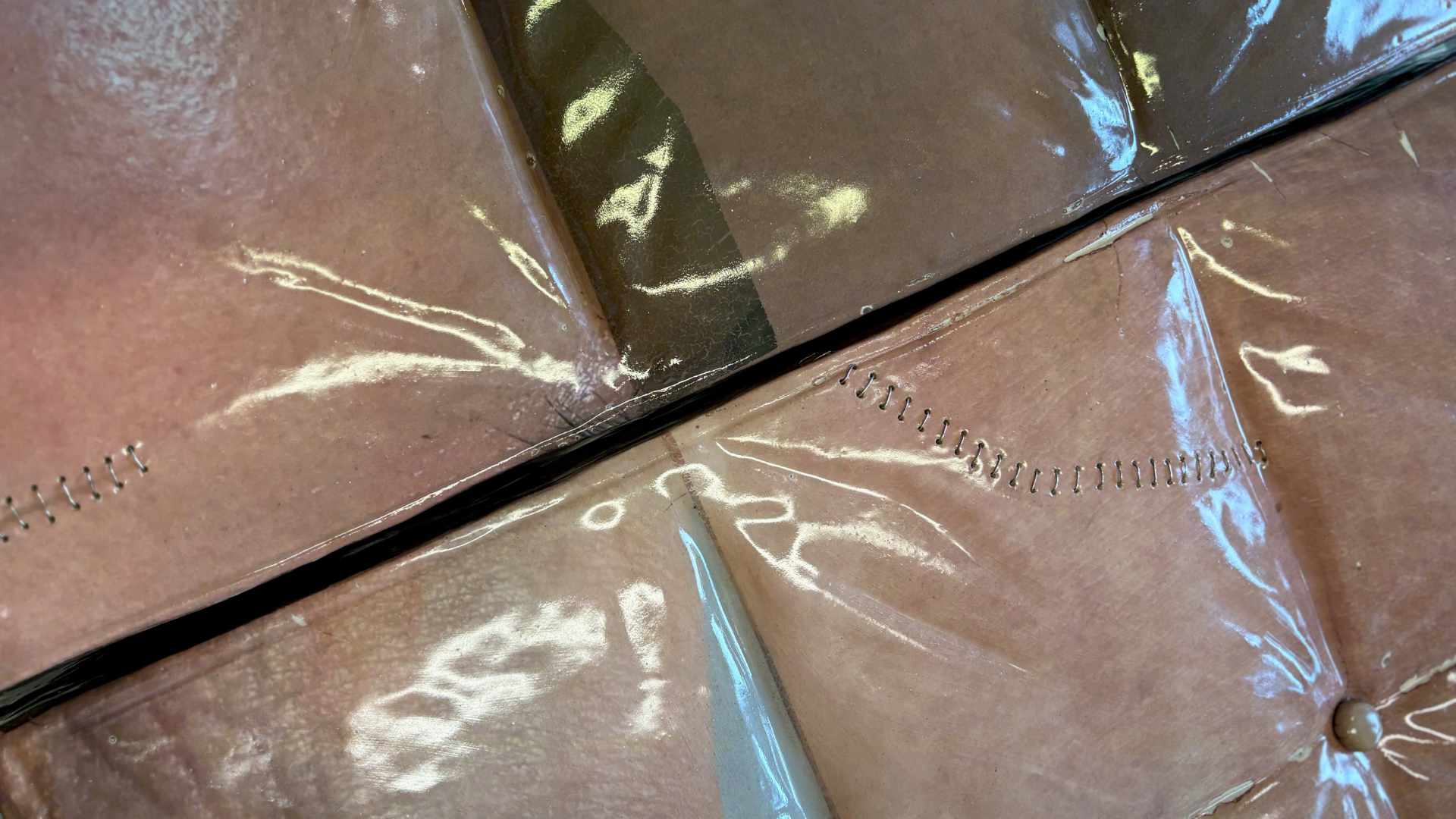

One of the recurring subjects in the history of Western art is the female body reclining on a divan, a motif in which rest and idleness are intertwined with being the object of the gaze, power and desire. Especially nineteenth-century Orientalism associated the odalisque—the resting or reclining woman—with a fantasy of the exotic, sensual and unattainable Other constructed by the Western gaze. In Man Yau’s works, this arrangement is turned on its head: the body no longer rests on a piece of furniture but becomes material, a surface, a part of the furniture itself.
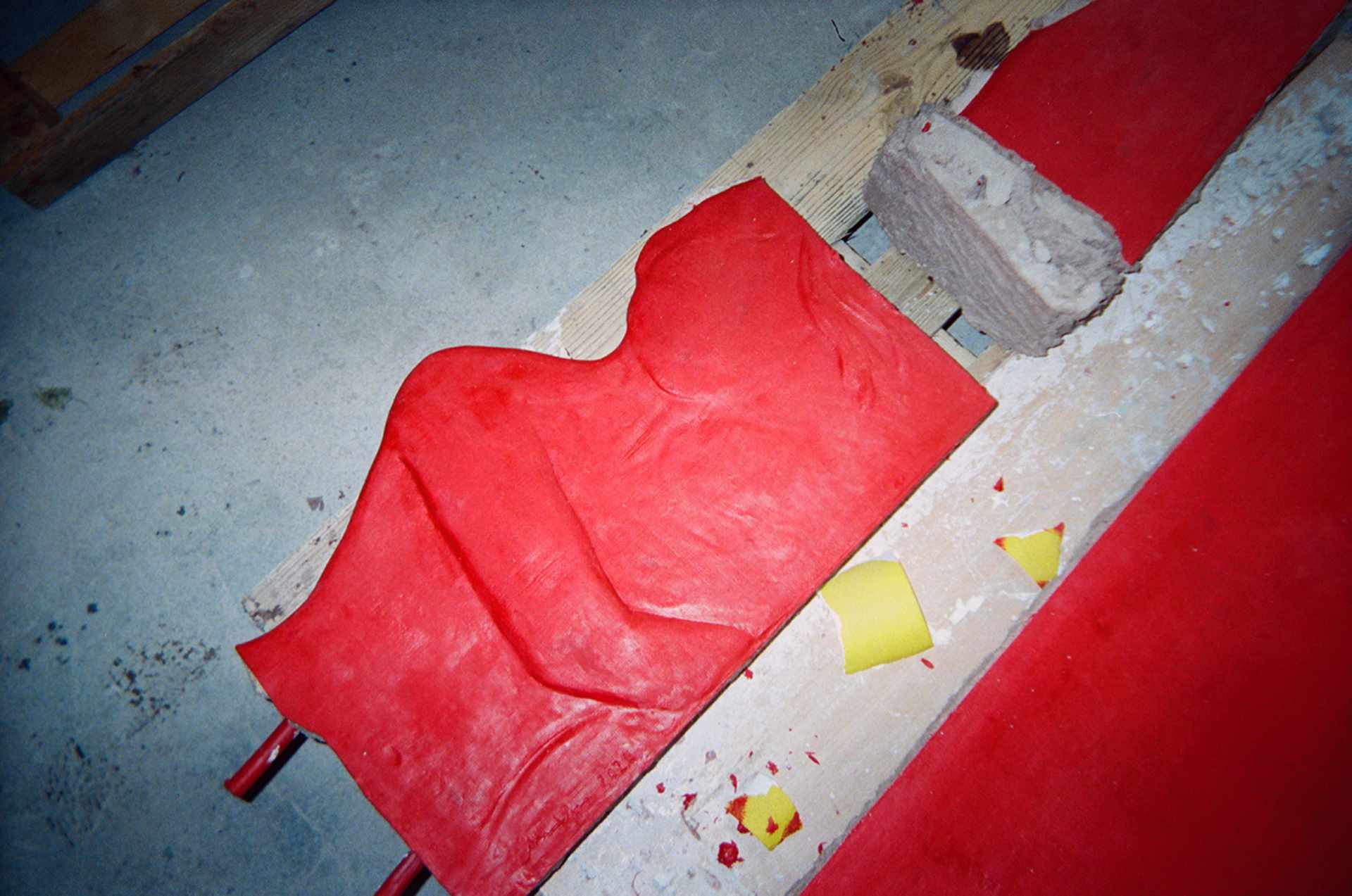
The metaphorical resting surface, self-portrait (2026), combines a bronze silhouette with images of the artist’s own body fired beneath a glaze. The skin as material is stretched to a point where the gaze can no longer distinguish the pattern of the divan cushions from the skin resting upon their surface. The body becomes part of the composition; the thigh falls into the golden ratio, while the blood vessels pulsating beneath the skin lose their meaning. Flesh becomes ornament, as decorative as the rose pattern on the cushions.
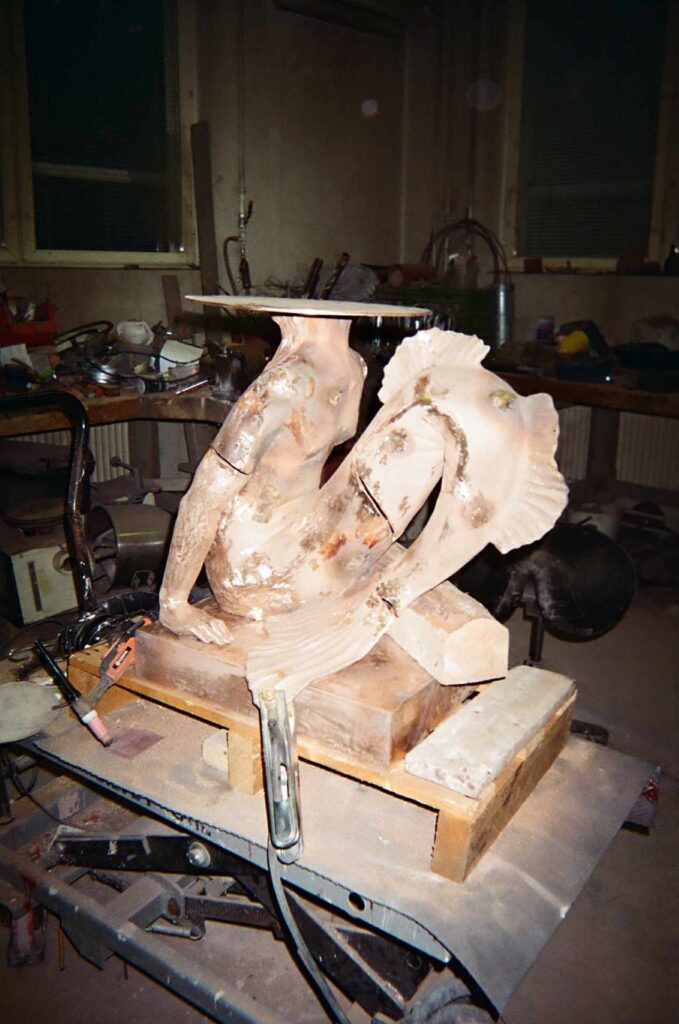
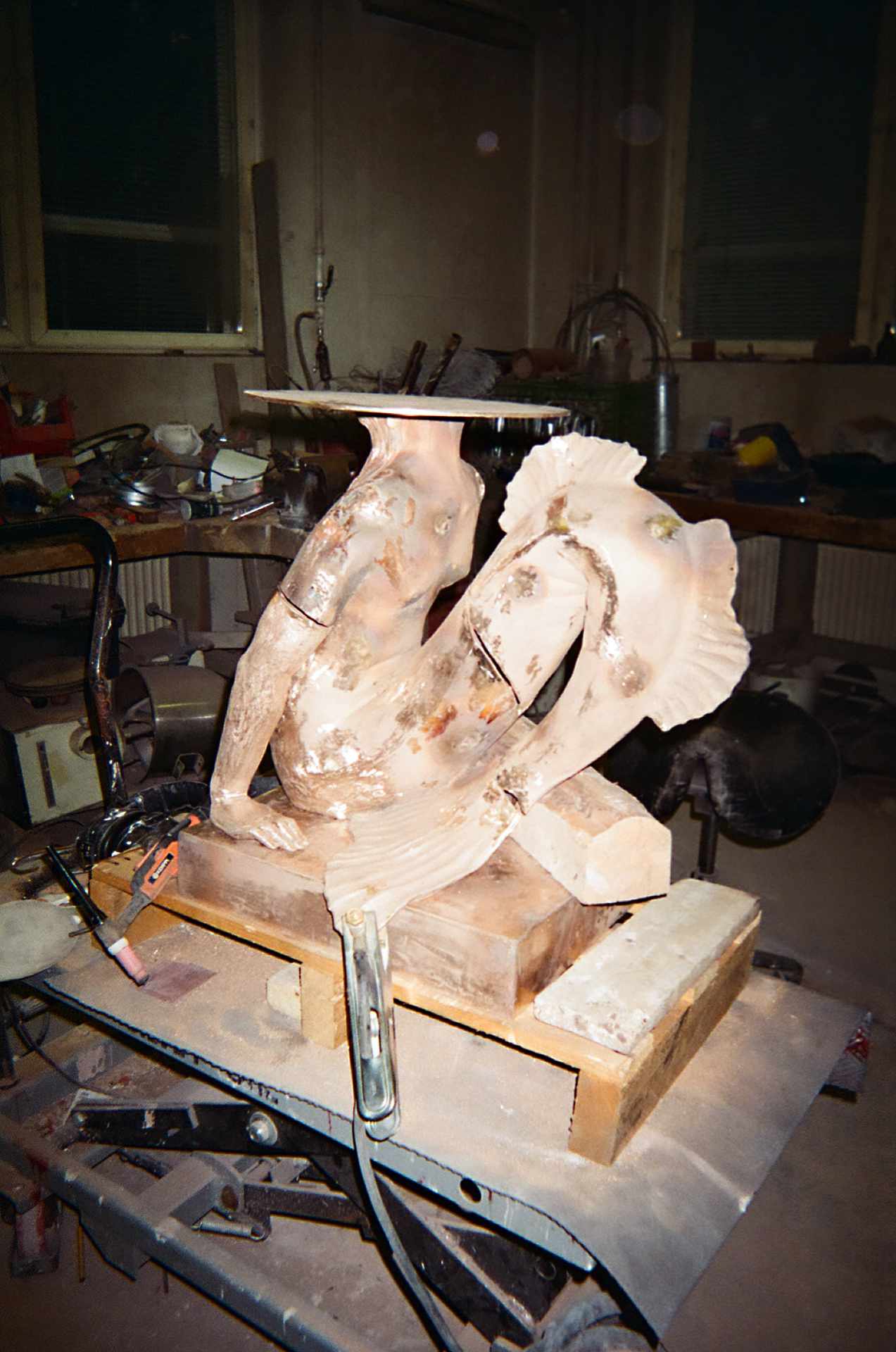
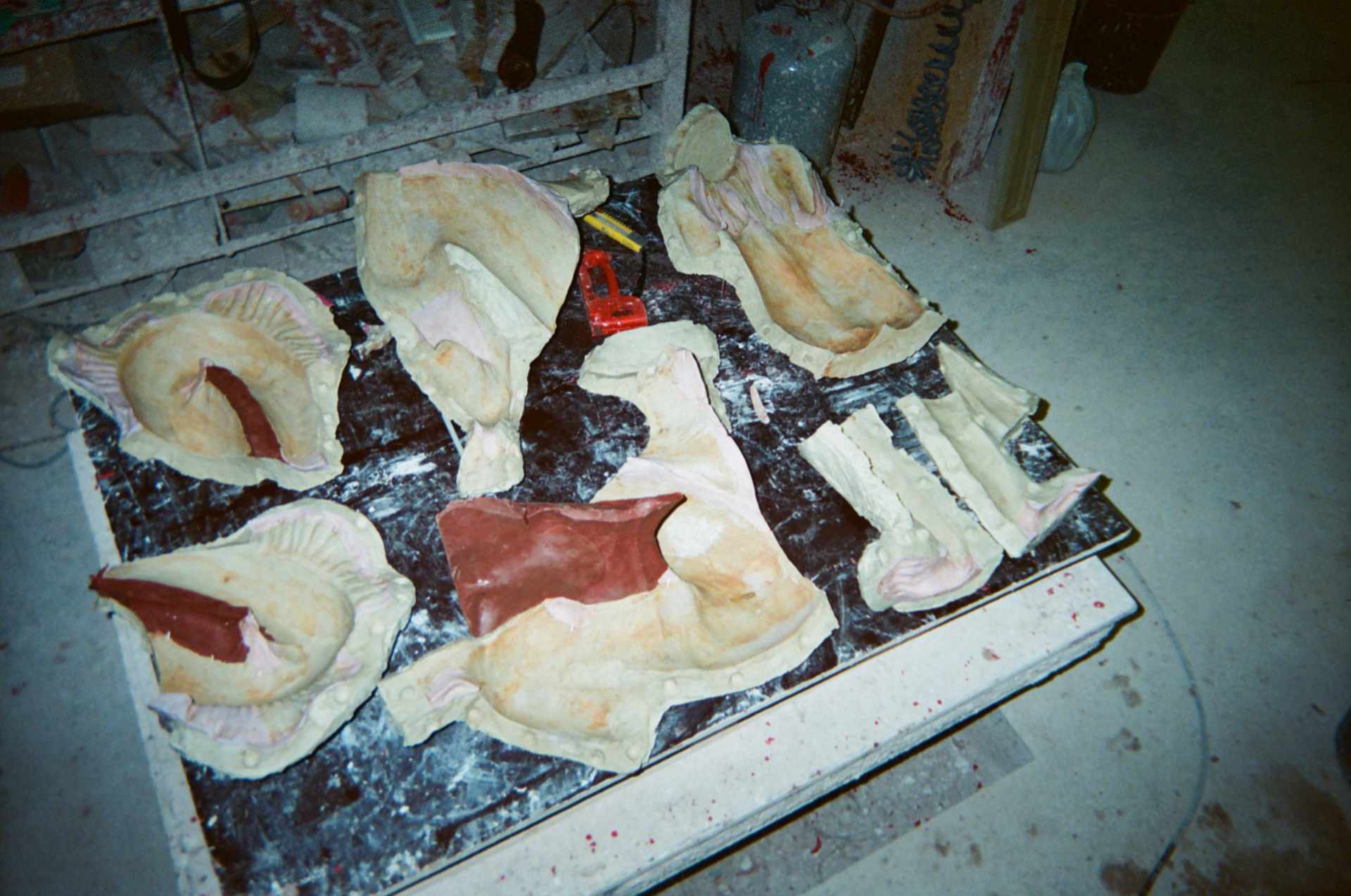
The table-like sculpture Sea, swallow me (a study of Anne Marie Carl-Nielsen’s mermaid [1921]) (2026) is a study of a work by Danish sculptor Anne Marie Carl-Nielsen. The mermaid’s open mouth, gasping for air, her horrified expression and the dramatic quality of the figure that has just emerged from the water can be interpreted as a depiction of loss and heartbreak. At the same time, the mermaid’s expression has been seen as embodying a powerful will to live and determination to survive—the pain does not stop the figure, but drives her to breathe and carry on.
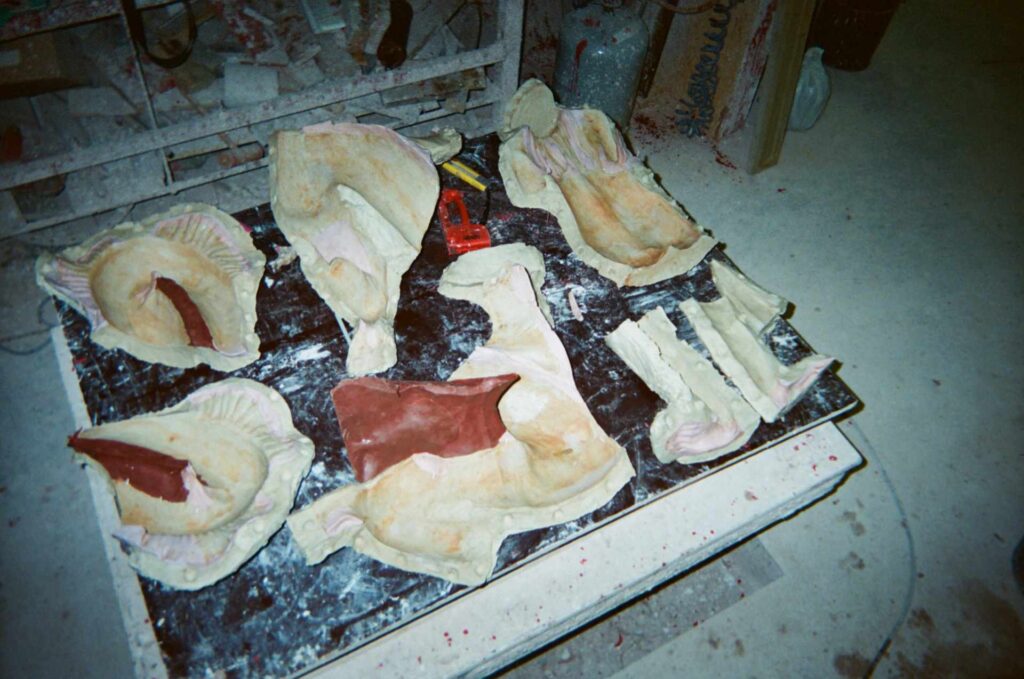
For Yau, re-sculpting the work is a way of processing her own loss and the pain associated with it through physical making. In the sculpting process, the mermaid’s figure breaks away from its original form and takes its place in the exhibition somewhere between body, object and image. The mermaid’s body is no longer merely an object of the gaze, but material that carries pain, desire and the continuation of life.
“When I begin sculpting the work, I realise that I shouldn’t use my own body as a model. In fact, only the mermaid’s hands are human, and even they are twisted to the point where the pain begins. Anne Marie wasn’t trying to sculpt a portrait either, but when I imagine her sculpting this particular work, it feels difficult to think that her own grief would not have been present in it. I keep twisting the mermaid’s pose further and further, and cut off her head, so that she too becomes a piece of furniture.
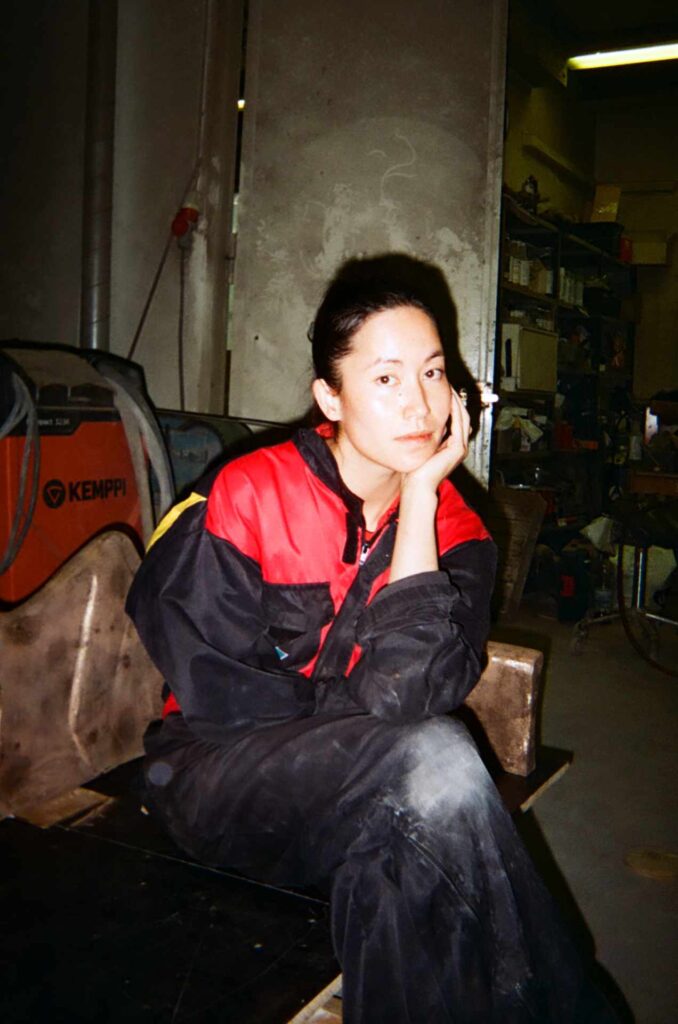
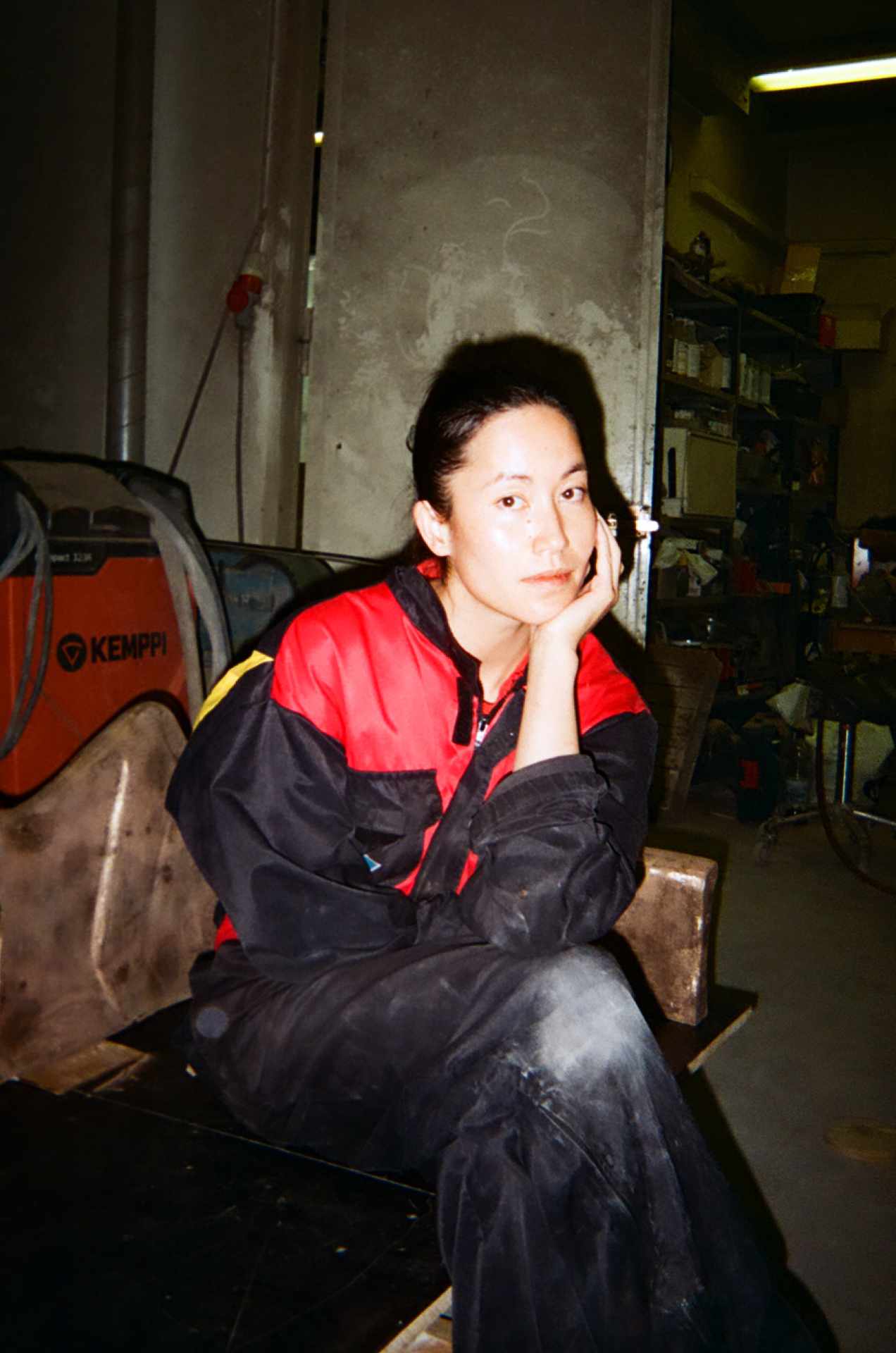
Man Yau (b. 1991) is a Helsinki-based sculptor whose work explores identity and the experience of being exoticised through sculpture. She moves seamlessly between glass, silk, metal, ceramics and marble, using each material as a considered language to reveal the memories concealed within everyday objects and their culturally constructed associations.
The exhibition has been supported by Greta och Alfred Runebergs Stiftelse, the Finnish Cultural Foundation, the Arts Promotion Centre Finland, the Finnish Heritage Agency and the Tiftö Foundation.
The artist would also like to warmly thank those involved in the production: Aapo Hyttinen, Jade Kallio, Sam Gladstone, Simo Hirvonen, Taikalyhty Oy, Tanssiva Taidevalaja (Kirsi Siponen), Tomi Pelkonen, Tuomas Peltokangas, YSI and Veera Almila.
Divan will be shown at Margot Samel Gallery in New York in early 2027.
Exhibition-related events
Poetry performance: Fainting Room by writer and performance poet Niko Hallikainen, dedicated to Man Yau’s sculptures
Thursday 1 October at 18:00 & Friday 2 October at 18:00
During the opening week of Man Yau’s solo exhibition Divan, the Studio space will host the premiere of performance poet Niko Hallikainen’s new piece Fainting Room, which is dedicated to Yau’s sculptures. The poet seeks a connection to some transcendental level through the sculptures. Behind this search is an enigmatic desire to faint under the influence of fascination. Aesthetic objects are an opportunity to experience affection, for which the world does not necessarily offer other experiential channels than beauty. The poet strives to sculpt an emotional space from his own longing, which is supposed to vanish into thin air.
On Thursday, 1 October, the performance is for invited guests attending the opening. On Friday, 2 October, the performance is open to everyone. Free admission.
Niko Hallikainen (b. 1989) is an award-winning Helsinki-based performance poet and novelist. Hallikainen’s intense and transgressive works observe the ambivalent intersections of class, eroticism and spirituality. His text-based solo performances have premiered, among others, at the Performa Biennial in New York, Museum of Contemporary Art Kiasma in Helsinki and the Gothenburg International Biennial for Contemporary Art.